Radiator covers have become a defining feature in many Irish homes, especially as homeowners place greater focus on visual flow and intentional room styling. Designers increasingly view these pieces in the same way they would treat a console table, sideboard, or shelving unit. Research from The Society of British and International Interior Design highlights how functional items now play a stronger role in shaping cohesive interiors, particularly in smaller homes where every surface contributes to the overall look and feel.
That shift explains why decorators often begin with proportion and placement before discussing paint finishes or wood textures. Accurate measurements shape the entire styling process, from spacing furniture to balancing wall décor. Many professionals use guides such as this is how to measure your radiator size by Radiator Furniture when planning layouts because a poorly fitted cover can disrupt the visual rhythm of a room long before color choices enter the conversation.
From Utility Piece to Design Feature
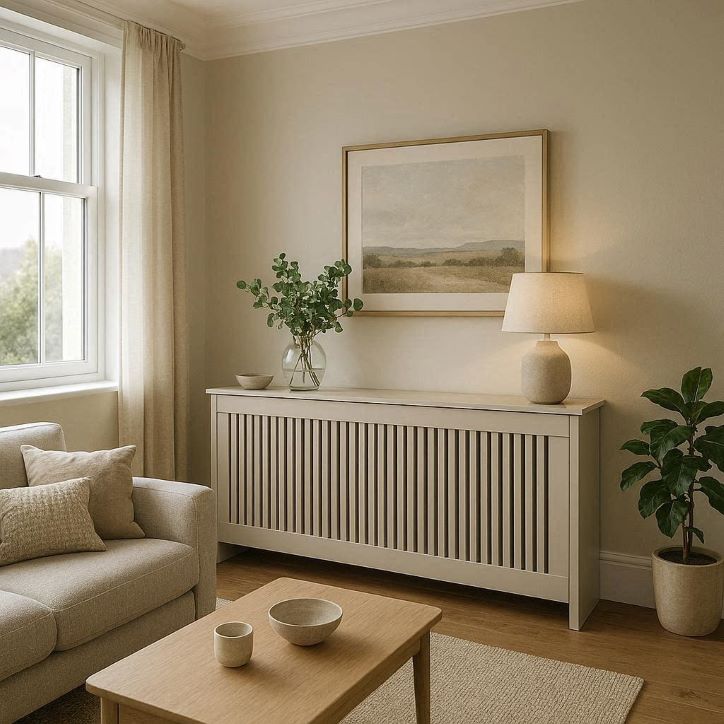
For years, radiator covers were treated as practical additions designed to hide exposed heating units. Today, they are increasingly considered part of the furniture plan itself. In Irish homes where hallway space is often narrow and living rooms rely on compact layouts, a radiator cover can influence how balanced a room feels.
Interior stylists frequently use these covers to anchor empty walls or create structure beneath mirrors and artwork. A carefully chosen design can soften hard architectural lines, especially in period homes where radiators may interrupt traditional moldings or fireplace symmetry.
Design experts at House & Garden UK note that visual consistency plays a major role in making compact interiors feel calm and organized. This principle explains why radiator covers are increasingly selected with the same care as cabinetry or shelving. Their shape, depth, and finish all contribute to the room’s composition.
Why Balance and Symmetry Matter
Balance is one of the first things the eye notices when entering a room. Even people with no design training tend to sense when proportions feel slightly off. A radiator cover that is too narrow may look disconnected from the wall around it. One that is too large can overwhelm surrounding furniture and make circulation feel awkward.
Stylists often align radiator covers with nearby design elements to create symmetry. In hallways, the width of the cover may echo the scale of a mirror above it. In living rooms, designers sometimes match the height of nearby shelving or seating to maintain visual continuity.
This attention to proportion becomes especially important in open-plan homes. According to findings shared by The Royal Institute of British Architects, visual interruptions can make connected spaces feel fragmented. Oversized furnishings, including poorly proportioned radiator cabinets, often create that effect.
Because of this, decorators usually think beyond the radiator itself. They consider how the cover interacts with flooring patterns, lighting, and nearby furniture placement. The goal is rarely to hide the radiator completely. Instead, the aim is to integrate it naturally into the room’s visual structure.
Color Coordination and Surface Styling
Color coordination plays an equally important role. Neutral-painted radiator covers are common because they blend easily into walls and trim. However, many contemporary interiors now use contrasting finishes to create depth.
Dark wood finishes can ground pale interiors, while soft painted tones help brighten narrow hallways. Some designers even extend wall colors onto radiator cabinetry to create a built-in appearance. This technique works particularly well in smaller Dublin apartments and terraced homes where visual clutter can quickly make rooms feel crowded.
Surface styling has also changed how these pieces are viewed. Many homeowners now place framed artwork, ceramic lamps, or books on top of radiator covers in the same way they would style a console table.
Elle Decoration UK has highlighted the growing popularity of multifunctional furnishings in modern interiors, particularly in homes where space efficiency shapes decorating choices. Radiator covers fit naturally into that trend because they offer both visual structure and practical display space. Many homeowners are increasingly drawn to furniture pieces that combine style and practicality, especially in compact interiors where every furnishing contributes to both comfort and visual balance.
How Poor Sizing Disrupts a Room
Proportion mistakes are often more noticeable than color mistakes. A cover that extends too far into a walkway can make narrow spaces feel uncomfortable. One that sits awkwardly beneath a window ledge may interrupt the clean horizontal lines designers work hard to create.
Undersized covers create different problems. They can expose too much surrounding wall space and make the radiator appear visually disconnected from the rest of the furniture arrangement. This issue becomes more obvious in minimalist interiors where fewer decorative items compete for attention.
Interior planners often compare radiator sizing to rug sizing. A rug that is too small can shrink the perceived dimensions of a room. Similarly, poorly proportioned radiator cabinetry can throw off balance across an entire wall.
Measurements also affect practical use. Research published by The Energy Saving Trust suggests that airflow remains important for heating efficiency, which means covers should allow adequate ventilation rather than fitting too tightly around the unit itself.
Styling Hallways, Bedrooms, and Compact Living Spaces
Hallways present unique design opportunities because they are transitional spaces that often lack natural focal points. A radiator cover can introduce texture and structure without taking up excessive floor area. Slimline designs paired with mirrors are especially common in Irish entrance halls where space is limited.
Bedrooms require a softer approach. Designers typically favor lighter finishes and rounded styling details to maintain a calm atmosphere. In these spaces, radiator cabinetry often doubles as a display surface for books, candles, or bedside lighting.
Compact living spaces benefit from designs that appear visually light. Open slatted fronts, floating styles, and pale painted finishes help prevent the room from feeling crowded. Designers may also coordinate radiator cabinetry with shelving or media units to create continuity across a small apartment layout.
These decisions rely heavily on careful dimension planning. Decorative choices become much easier once the scale and placement of the piece work naturally within the room.
Why Designers Begin With Measurements
Experienced decorators rarely start with color samples. They begin with scale. Understanding the width, depth, and surrounding clearance of a radiator helps determine whether the finished piece should function as subtle background furniture or as a visual feature.
Accurate dimensions influence traffic flow, shelf styling, and furniture spacing. They also affect how artwork or lighting will sit above the cover. This explains why many interior stylists treat sizing conversations as the foundation of the design process rather than a technical afterthought.
Careful radiator measurements can even influence the mood of a room. A correctly proportioned cover creates order and calm. A poorly planned one introduces visual tension, even when the rest of the décor is beautifully chosen.
Blending Radiator Covers Into Modern and Traditional Interiors
Modern interiors often favor clean-lined radiator covers with minimal detailing. Matte finishes, slim profiles, and concealed fixings help create a seamless appearance. These styles work well in Scandinavian-inspired homes and contemporary apartments where simplicity shapes the overall aesthetic.
Traditional interiors take a different approach. Decorative grille patterns, painted timber finishes, and classic molding details allow radiator covers to complement period fireplaces and older architectural features.
What connects both styles is the growing understanding that radiator covers contribute to the room’s identity. They are no longer viewed as simple add-ons. Instead, they are part of the furniture language of the home itself.
As Irish homeowners continue prioritizing thoughtful interiors, accurate radiator sizing, balanced placement, and coordinated finishes will remain central to successful room planning. Whether the goal is a modern minimalist hallway or a layered traditional sitting room, careful dimension planning and proportion awareness help radiator covers feel fully integrated into the space rather than visually separate from it.