Research from IOS Press examining door-handle usability found that handle design can directly influence perceived effort and accessibility, showing that visual choices in residential design can affect how people interact with everyday objects. Decorative features may look impressive in a showroom, yet repeated daily use often reveals small inconveniences that become persistent frustrations.
Home design sources, renovation publications, and practical service references such as locksmiths Peterborough frequently highlight how certain aesthetic decisions can create operational challenges after installation. Doors are used dozens of times each day. A feature that appears elegant during a design consultation can feel very different after weeks or months of opening, closing, locking, and maintaining it.
Modern interiors increasingly prioritize visual identity. Minimalist layouts, oversized hardware, hidden components, and statement finishes have become common choices across residential projects. Many of these design trends create striking visual results. The challenge begins when appearance starts competing with comfort, accessibility, or long-term practicality.
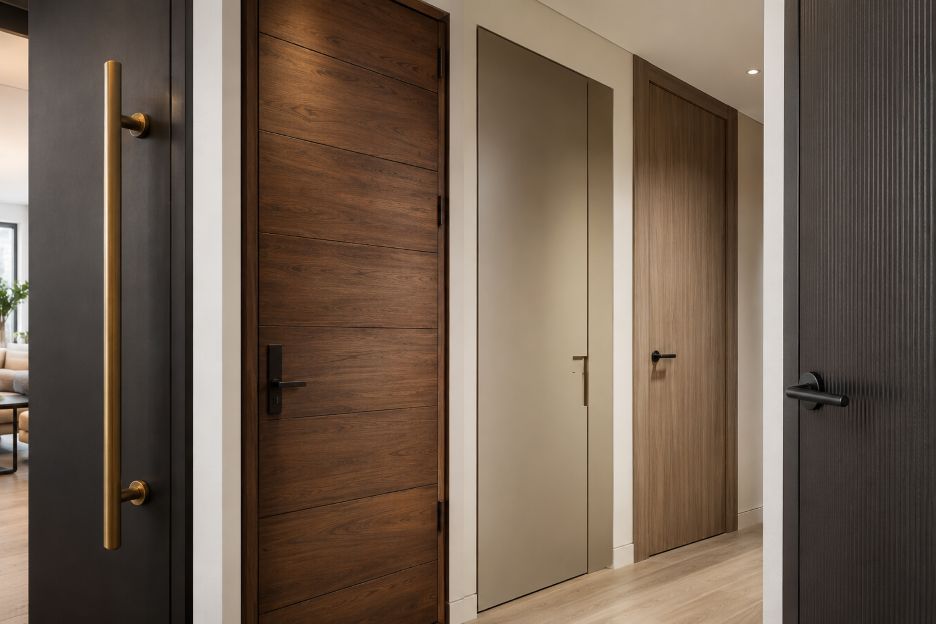
Common Decorative Door Choices That Can Create Everyday Problems
Door design rarely attracts attention when it works properly. People tend to notice it only when something becomes difficult. Daily usability issues usually emerge from several recurring design choices.
- Oversized decorative handles
- Heavy solid-core statement doors
- Hidden or recessed hardware
- Specialty finishes requiring high maintenance
- Minimalist systems with reduced grip surfaces
Each of these choices can provide a clean visual effect while introducing small operational compromises that become more noticeable over time.
Case Review: Oversized Handles That Prioritize Appearance
Large vertical handles have become increasingly popular in contemporary homes. They create a dramatic look and often help establish a luxury appearance. On entrance doors, these elongated handles can make a space feel modern and upscale.
The practical concern is that size does not always improve usability. Some decorative handles prioritize visual proportions rather than ergonomics. Research from Paulista State University and associated ergonomics studies indicates that handle shape can influence perceived effort during use. Grip position and handle dimensions affect how comfortable a person feels when operating a door.
For children, older adults, or individuals carrying groceries, decorative handles may create awkward hand positioning. People often adjust their grip multiple times before opening the door naturally. A task that should require little thought suddenly becomes slightly inconvenient.
Case Review: Heavy Doors and Daily Fatigue
Large wooden doors, steel-framed glass doors, and thick architectural entry systems continue to gain popularity because of their visual impact. Their weight often contributes to a sense of quality and permanence.
However, heavier materials can create challenges beyond installation.
Experts note that door-opening force matters for accessibility. Guidance discussed in accessibility design resources from the United Nations emphasizes practical considerations involving door operation, handle placement, and user access. Heavy doors can become difficult for people with limited mobility or reduced grip strength.
Daily effects may include:
- Difficulty opening doors while carrying objects
- Greater strain on wrists and shoulders
- Faster hardware wear
- Alignment shifts over time
- Reduced convenience for children and elderly residents
A heavy door may feel luxurious during initial use but can gradually become tiring during repeated interaction throughout the day.
Case Review: Hidden Hardware and Minimalist Designs
Minimalist interiors often attempt to remove visible elements wherever possible. Hidden hinges, flush-mounted handles, and concealed locking systems help create clean surfaces and uninterrupted visual lines.
These choices can look refined, especially in modern homes. Yet hidden functionality sometimes creates confusion.
Guests may struggle to determine where to pull a door. Some concealed handles require users to apply pressure at very specific points. Certain locking systems reduce visible cues that people naturally expect.
The issue becomes more noticeable in homes where visitors are unfamiliar with the design. A simple bedroom or bathroom door suddenly requires explanation.
Practical design specialists frequently observe that intuitive interaction matters because people generally rely on visual clues. Removing those clues may improve appearance while reducing usability.
Case Review: Specialty Finishes and Maintenance Challenges
Decorative finishes have expanded significantly in residential design. Matte black metals, brushed brass, textured coatings, and fingerprint-sensitive surfaces are common choices.
Many homeowners select these finishes because they create contrast and visual character. The challenge appears after daily contact.
Some matte surfaces show oils from fingerprints immediately. Certain metallic coatings scratch more easily than expected. Textured finishes may collect dust around grooves and edges.
Daily usability is not limited to opening and closing doors. Maintenance also matters.
A finish that requires constant cleaning can eventually create frustration. Homeowners may find themselves repeatedly wiping handles or using specialized products to preserve the original appearance.
Why Aesthetics and Functionality Sometimes Collide
Interior design and practical engineering often pursue different goals.
Design decisions frequently focus on visual impact, emotional response, and style consistency. Functional planning focuses on human behavior and repeated interaction.
Those goals usually overlap, but sometimes they compete.
Architectural trends move quickly. Human movement patterns do not. People still open doors with occupied hands, push doors while carrying bags, and rely on instinctive movements developed over years of habit.
Data from accessibility research indicates that design features affecting grip, force, and movement can influence usability outcomes across different user groups. The challenge is rarely a complete design failure. More often, it is a collection of small inconveniences that gradually become noticeable.
READ ALSO: Is Your Smart Home Spying on You? Private Investigators Weigh In on Security Gaps in Home Tech
Takeaways for Homeowners Planning Design Upgrades
Decorative choices are not inherently problematic. A visually striking door can also function effectively when planning includes practical considerations.
Before selecting hardware or materials, homeowners may benefit from asking a few questions:
- Will children or older family members use the door regularly?
- Does the handle provide a comfortable grip?
- How much force is needed to open the door?
- Will the finish require frequent maintenance?
- Does the design feel intuitive without explanation?
Good residential design often succeeds quietly. The most effective door systems usually disappear into daily life because they work naturally. Decorative details can add character and personality, but long-term comfort matters as much as appearance. Balancing style with practical function often creates better results than pursuing visual impact alone. Attractive entry features and decorative hardware can still achieve a modern aesthetic while supporting ease of use, accessibility, and everyday convenience.