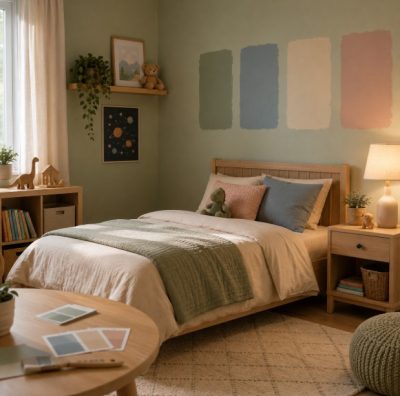
 Color is often one of the first decisions parents make when decorating a child’s bedroom. A favorite bright shade might seem like the obvious choice, while neutral colors can feel safer for a room designed to last for several years. But when the bedroom is also meant to encourage rest, it is worth considering how the overall color scheme affects the atmosphere. A gentle sleep consultant may also encourage parents to create a calm, soothing environment that helps children transition from daytime activity to bedtime.
No paint color can make a child fall asleep on command. Sleep depends on many factors, including routines, light exposure, comfort, health, and individual sleep needs. Still, certain colors can make a bedroom feel calmer and less visually stimulating. The key is choosing shades that work well together without turning the room into a dull space that feels disconnected from the child.
Soft Blue Can Create a Quiet Atmosphere
Blue is a popular bedroom color because softer versions tend to look cool and peaceful. Pale blue, dusty blue, and blue-gray can work particularly well on larger surfaces such as walls.
The exact shade matters. A bright electric blue can create a completely different atmosphere from a muted blue with gray undertones. For a sleep-focused bedroom, softer versions are usually easier to combine with neutral furniture and bedding. Blue also offers plenty of flexibility. It can work with natural wood, white, cream, gray, or warmer accent colors, making it suitable for many decorating styles.
Muted Green Brings in a Natural Feel
Green is another practical option for children’s bedrooms. Shades inspired by nature, including sage, muted olive, eucalyptus, and soft gray-green, can give the room a relaxed appearance.
These colors also work well for bedrooms that need to grow with a child. A subtle green wall can suit a toddler’s room but still feel appropriate several years later after the toys, artwork, and furniture have changed.
Parents who want a nature-inspired bedroom can pair green with wood furniture, woven storage, and simple botanical details. But you don’t need to turn every surface green. Keeping some areas neutral prevents the theme from becoming visually overwhelming.
Warm Neutrals Provide a Flexible Background
Neutral does not have to mean plain white. Warm beige, oatmeal, cream, taupe, and light greige can create a softer background while leaving plenty of room for personality.
Instead of combining those belongings with equally bold walls, a neutral background gives the brighter items room to stand out without making the whole bedroom feel busy.
Warm neutrals are also relatively easy to update. Changing bedding and accessories can give the bedroom a different look without requiring another full paint job.
Consider Soft, Muted Pinks
Pink can work well in a restful bedroom when you choose the shade carefully. Dusty rose, blush, muted peach-pink, and similar tones provide warmth without the intensity of brighter pinks.
These shades pair well with cream, beige, light wood, or muted green to create a balanced room. Parents don’t need to follow traditional ideas about which colors belong in boys’ or girls’ bedrooms. The better question is whether the child likes the color and whether the chosen shade works with the atmosphere the family wants to create.
Earthy Shades Can Add Warmth
Some children and parents prefer warmer rooms rather than cool blue or green interiors. Earth-inspired colors can provide an alternative.
An earthy accent wall, for example, can add character while the remaining walls stay lighter. Similar colors can then appear in bedding, artwork, or a rug to connect the room without making it overly coordinated.
Be Careful With Very Bright Colors
Children often love vivid red, orange, yellow, purple, or neon shades. There is no reason to ban these colors from the bedroom, but covering the entire room in highly saturated colors may create more visual stimulation than parents want around bedtime.
A better compromise may be to use a child’s favorite bright color in smaller amounts.
A vivid yellow might appear in framed artwork or storage baskets. Bright red could be used on a cushion or decorative object. Purple might feature in bedding against pale neutral walls. This gives children a say in how their bedroom looks while keeping larger surfaces relatively calm.
Think About Undertones and Lighting
A paint sample can look very different in a store than it does on a bedroom wall. Natural light, artificial lighting, flooring, and furniture can all change how a color appears.
Before committing to a shade, test it in the actual bedroom. Look at it in the morning, afternoon, and evening. A gray that seems neutral during daylight might look blue at night, while a beige could appear unexpectedly yellow under a particular lamp.
This step is especially useful when choosing subtle colors because their undertones may become much more noticeable once they cover a large area.
Keep the Overall Palette Simple
The number of colors in a bedroom can matter as much as the individual shades. Multiple bold wall colors combined with patterned bedding, colorful furniture, toys, and posters can create a visually crowded space.
Try building the room around a small palette instead. One main wall color, one or two supporting shades, and a few brighter accents are often enough.
This does not mean everything needs to match. A child’s bedroom should still feel lived in and personal. The aim is to give the eye some quieter areas, particularly around the bed.
Let Children Have a Voice
A restful bedroom should not feel like a space designed entirely for adults. Children are more likely to feel comfortable in a room when they have some ownership over it.
Parents can narrow the choices to several suitable shades and let the child select a favorite. Older children may want more involvement in choosing bedding, artwork, or accent colors.
Ultimately, bedroom color is only one part of healthy sleep. A consistent bedtime routine, appropriate lighting, comfortable temperature, and a quiet sleep environment matter too. But thoughtful color choices can support those efforts by making the bedroom feel less stimulating at the end of a busy day. Choose shades that suit the room, involve the child, and create a space where winding down feels natural, not forced.